How to Choose the Right Laboratory Balance: A Comprehensive Guide
1 min read
Selecting the right laboratory balance is crucial for ensuring accurate measurements in scientific research, industrial applications, and quality control. This comprehensive guide breaks down the different types of lab balances, key factors to consider, calibration options, and industry compliance standards. Whether you're looking for an analytical balance, precision balance, or microbalance, this article helps you make an informed decision, ensuring reliability and efficiency in your lab operations.
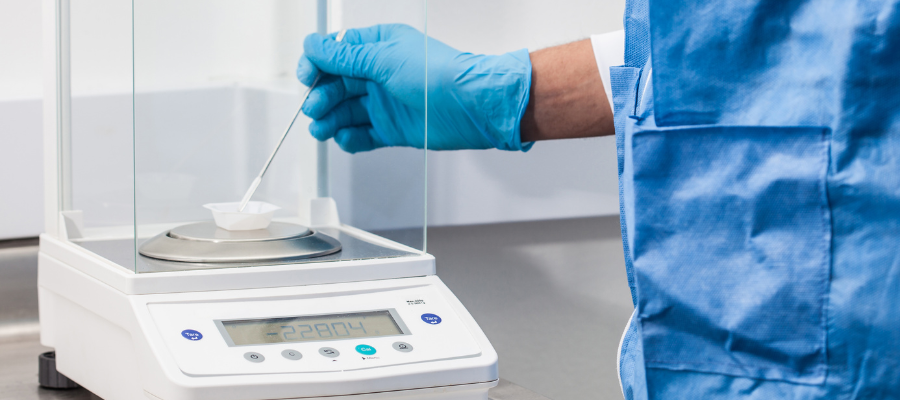
Accurate measurements are essential in any laboratory setting, making laboratory balances one of the most critical pieces of equipment for scientific research, quality control, and industrial applications. With so many options available, selecting the right balance for your needs can be overwhelming. In this guide, we’ll break down the key factors to consider when choosing a laboratory balance, ensuring precision, reliability, and compliance with industry standards.
1. Understanding Different Types of Laboratory Balances
Laboratory balances come in various types, each designed for specific applications. The most common types include:
- Analytical Balances: High-precision balances capable of measuring down to 0.0001g (0.1 mg). Used in pharmaceutical, chemical, and research applications where extreme accuracy is required.
- Precision Balances: Also known as top-loading balances, they provide precision from 0.01g to 0.001g and are ideal for general laboratory work.
- Microbalances & Semi-Microbalances: Designed for ultra-fine measurements, microbalances can measure down to 0.000001g (1 µg), making them essential for advanced scientific research.
- Moisture Analyzers: Used in food, pharmaceutical, and material testing labs to determine moisture content.
2. Factors to Consider When Choosing a Laboratory Balance
a) Capacity & Readability
Each balance has a specific capacity (maximum weight it can measure) and readability (smallest increment it can detect). Ensure the balance meets your sample weight requirements while providing the precision needed for your applications.
b) Calibration Options
Balances come with internal or external calibration options:
- Internal Calibration: The balance self-calibrates using built-in weights, ensuring accuracy without manual intervention.
- External Calibration: Requires the use of certified calibration weights and manual adjustments.
For regulated industries, internal calibration is preferred for consistency and ease of use.
c) Environmental Conditions
Environmental factors like temperature, humidity, and vibration can impact balance accuracy. To counter these:
- Use anti-vibration tables in high-precision setups.
- Ensure proper temperature control in the laboratory.
- Keep balances away from airflow disturbances like air conditioners and windows.
d) Compliance & Certifications
For laboratories that require compliance with ISO, GLP, GMP, and NATA standards, selecting a balance that meets these regulations is crucial. Many manufacturers provide certification and software to ensure compliance.
e) Connectivity & Data Management
Modern laboratory balances feature USB, RS232, or Bluetooth connectivity for easy data transfer to LIMS (Laboratory Information Management Systems) or computers. This is particularly important for labs requiring traceability and digital record-keeping.
3. Best Practices for Using and Maintaining a Laboratory Balance
To ensure accurate measurements and extend the lifespan of your balance:
- Calibrate regularly to maintain precision.
- Keep the balance clean and free from dust, chemicals, and spills.
- Use proper weighing techniques, such as taring the balance before weighing.
- Store in a stable environment, away from extreme temperatures and vibrations.
4. Top Laboratory Balance Brands to Consider
At LabFriend Australia, we supply premium laboratory balances from leading brands, including:
- Sartorius — Known for high-precision balances and microbalances.
- Ohaus — Offers a wide range of analytical and precision balances.
- Kern & Sohn — Reliable German-engineered balances for various applications.
- Adam Equipment — Affordable yet precise laboratory balances.
- Mettler Toledo — Industry leader in analytical and precision weighing solutions.
Final Thoughts
Choosing the right laboratory balance depends on your specific needs, including precision, capacity, calibration, and compliance. Investing in the right equipment ensures reliable and repeatable results, which are essential for laboratory success.
🔬 Ready to elevate your lab work? Explore now at LabFriend
Frequently asked questions
Most orders ship within 24 hours and arrive in 3–5 business days depending on your location.