Pipettes Explained: What They Are and Why Every Lab Needs Them
2 mins read
A pipette is a precise laboratory tool used to measure and transfer small volumes of liquid in fields like biology, chemistry, and medical diagnostics. From micropipettes and multichannel pipettes to volumetric glass pipettes, each type serves a unique purpose in ensuring accuracy and repeatability. At LabFriend, we offer a wide range of high-quality pipettes and tips, trusted by professionals across Australia for reliable performance in every lab setting.
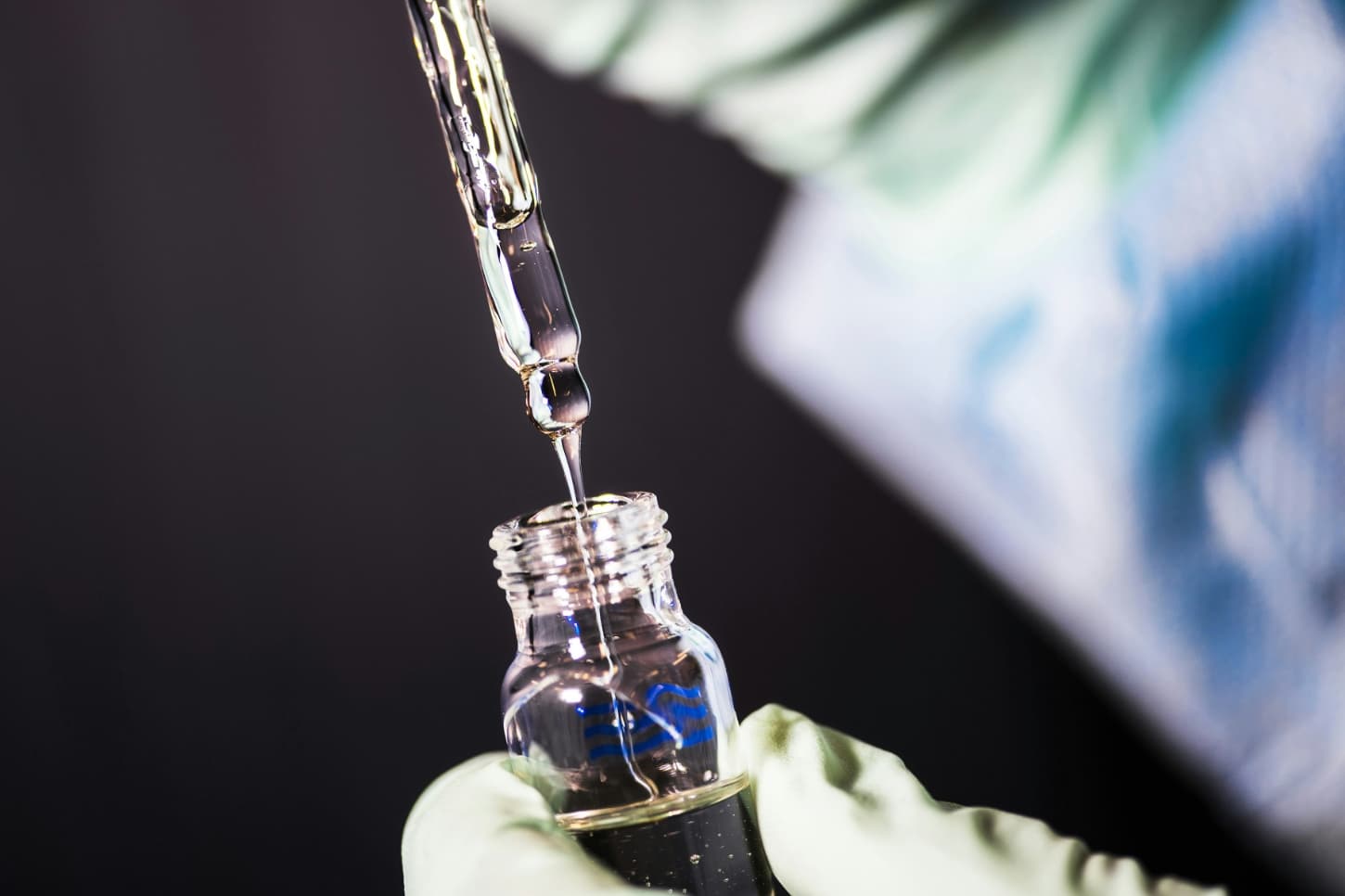
Introduction
If you've ever stepped into a laboratory, chances are you've seen a pipette in action. Despite its small size, the pipette is one of the most vital instruments in scientific research and diagnostics. From measuring microlitres of DNA solutions to dispensing reagents in 96-well plates, pipettes help ensure accuracy, consistency, and repeatability.
In this article, we’ll break down what a pipette is, the different types available, their main uses, and why high-quality pipettes are critical to modern laboratories. Whether you're a student, technician, or lab manager, understanding pipettes will help you make better decisions when choosing one—and using it correctly.
What Is a Pipette?
A pipette is a laboratory tool used to draw up and dispense precise volumes of liquid. It is commonly used in biology, chemistry, clinical labs, pharmaceuticals, and food science. Pipettes come in various designs and volume ranges, but all serve the same purpose: to transfer liquids with accuracy and control.
Pipettes are typically used with disposable pipette tips to prevent cross-contamination and ensure reproducible results.
Types of Pipettes and Their Uses
Choosing the right pipette depends on volume needs, sample type, and workflow demands. Below are the most common types of pipettes available today.
1. Micropipette
Micropipettes are air-displacement pipettes designed to handle volumes between 0.1 µL and 1000 µL.
-
Applications: Molecular biology, cell culture, ELISA, PCR
-
Formats: Single-channel and multichannel
-
Brands Available at LabFriend: Eppendorf, BRAND, Thermo Scientific
💡 Best for: Precision when handling small-volume biological samples.
2. Multichannel Pipette
A multichannel pipette operates like a micropipette but dispenses multiple volumes simultaneously. Available in 8-channel and 12-channel versions, they are ideal for high-throughput labs.
-
Applications: Plate-based assays, diagnostics, microbiology
-
Advantage: Saves time and reduces pipetting fatigue
💡 Best for: 96-well and 384-well plate workflows.
3. Volumetric Glass Pipette
Used for classical chemistry applications, these pipettes are made of borosilicate glass and provide precise single-volume measurements.
-
Applications: Standard solution preparation, titrations
-
Calibration: Fixed volume; requires pipetting bulbs
💡 Best for: High-accuracy single-volume liquid transfers.
4. Electronic Pipette
An electronic pipette automates the piston movement, reducing human error and increasing consistency.
-
Features: Programmable volume settings, adjustable speed
-
Applications: Repetitive pipetting, serial dilutions
💡 Best for: Labs focused on automation, ergonomics, and volume accuracy.
Why Pipette Accuracy Matters
The slightest pipetting error can result in:
❌ Miscalculated reagent concentrations
❌ Failed reactions
❌ Contaminated experiments
❌ Wasted expensive reagents
That's why regular calibration, proper pipette maintenance, and the use of high-quality tips are essential.
Tips for Proper Pipetting Technique
To ensure pipetting accuracy and prevent strain:
✔ Always pre-wet the pipette tip before aspirating
✔ Hold the pipette vertically when drawing liquid
✔ Use the correct pipette for the target volume (avoid operating at the min/max range)
✔ Release the plunger slowly to avoid bubble formation
✔ Store pipettes vertically to prevent internal contamination
Pipette Brands Trusted by Professionals
At LabFriend, we stock a curated selection of industry-leading pipette brands, known for durability, ergonomic design, and precision:
-
Eppendorf – Renowned for premium ergonomic micropipettes
-
BRAND – Reliable, German-made pipettes with excellent accuracy
-
Thermo Scientific – Affordable, high-performing models for routine tasks
-
Kartell – Durable plastic pipettes for educational and industrial use
Pipette Accessories You’ll Need
✔ Pipette Tips – Sterile, filtered, and low-retention tips for contamination control
✔ Stands & Racks – Keep pipettes organized and upright
✔ Calibration Tools – Ensure long-term performance
✔ Pipette Fillers & Bulbs – For use with glass volumetric pipettes
💡 Shop pipette accessories: View tips and tools.
Why Buy Pipettes from LabFriend?
When you shop with LabFriend, you’re backed by:
✔ Australia-wide delivery
✔ Trusted global brands
✔ Competitive pricing and bulk discounts
✔ Dedicated support team to help you choose the right pipette
Whether you're equipping a university lab, upgrading a clinical diagnostics facility, or simply replacing worn-out pipettes, LabFriend has what you need—fast, accurate, and affordable.
Final Thoughts
The pipette may seem like a small instrument, but its role in scientific precision is huge. With so many types available, choosing the right pipette ensures your results are accurate, repeatable, and contamination-free.
At LabFriend, we supply pipettes for every lab application, from basic research to complex diagnostics—all backed by fast delivery across Australia.
🔬 Ready to elevate your lab work? Explore now at LabFriend
Frequently asked questions
Most orders ship within 24 hours and arrive in 3–5 business days depending on your location.


