Basic Introduction to Muffle Furnaces
1 min read
A muffle furnace, also known as a chamber furnace or box furnace, is a type of furnace in which the subject material is isolated from the fuel and all of the products of combustion, including gases and flying ash. This is achieved by placing the material inside a sealed chamber, or muffle, which is then heated by heating elements.
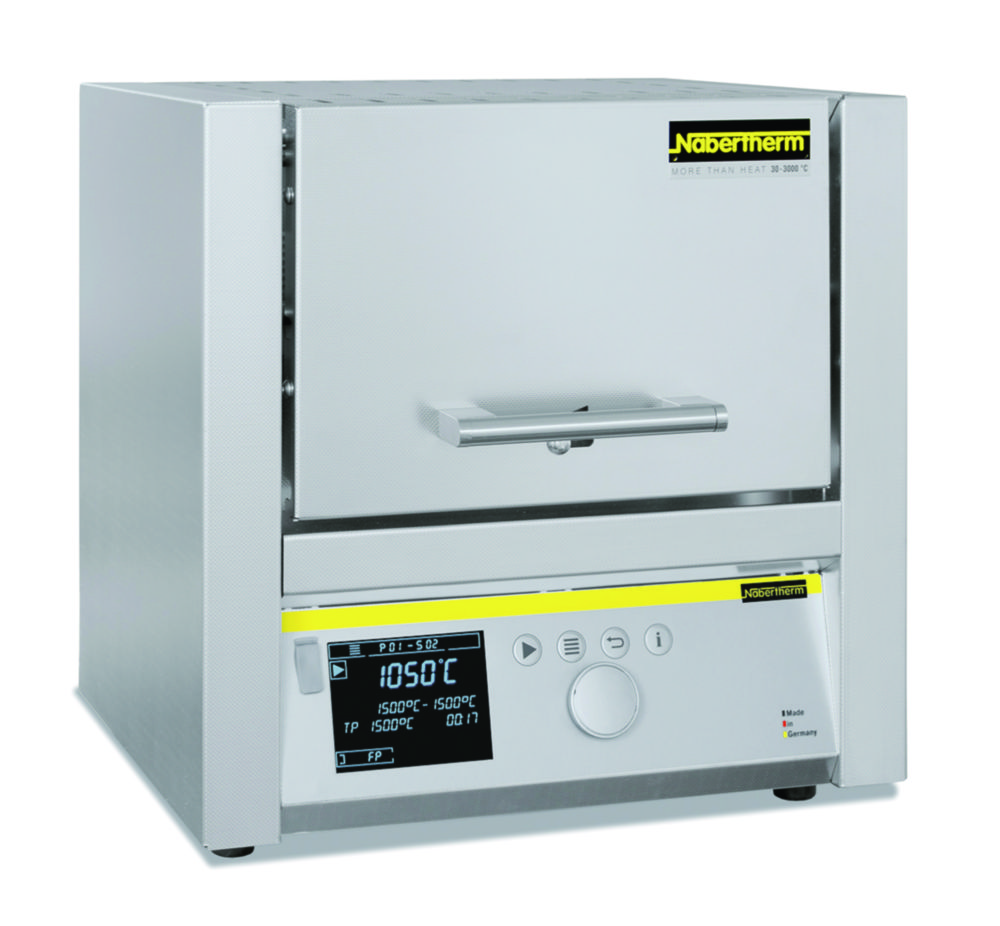
A muffle furnace, also known as a chamber furnace or box furnace, is a type of furnace in which the subject material is isolated from the fuel and all of the products of combustion, including gases and flying ash. This is achieved by placing the material inside a sealed chamber, or muffle, which is then heated by heating elements.
Muffle furnaces are used for a wide variety of applications, including:
- Ashing samples: Muffle furnaces are used to incinerate samples in order to determine their ash content. This is useful for a variety of materials, such as food, coal, and soil.
- Heat treating materials: Muffle furnaces can be used to heat treat materials such as metals, ceramics, and glass. This can be done to improve their strength, hardness, or other properties.
- Fusing glass: Muffle furnaces are used to melt glass and fuse it together to create objects such as art, jewelry, and scientific equipment.
- Soldering and brazing: Muffle furnaces can be used to solder and braze metals together.
Muffle furnaces are available in a variety of sizes and temperature ranges. Some models also incorporate programmable digital controllers, allowing automatic execution of ramping, soaking, and sintering steps.
Here are some safety tips for using a muffle furnace:
- Always wear appropriate personal protective equipment (PPE), such as gloves, safety glasses, and a lab coat.
- Never leave a muffle furnace unattended while it is in use.
- Be aware of the potential for fire and burns.
- Allow the furnace to cool completely before opening the door.
- Dispose of waste materials properly.
Muffle Furnace | LabFriend Australia | Lab Equipment and Lab Supplies
Frequently asked questions
Most orders ship within 24 hours and arrive in 3–5 business days depending on your location.