Latest News

Burette vs Pipette: Key Differences and Which to Use

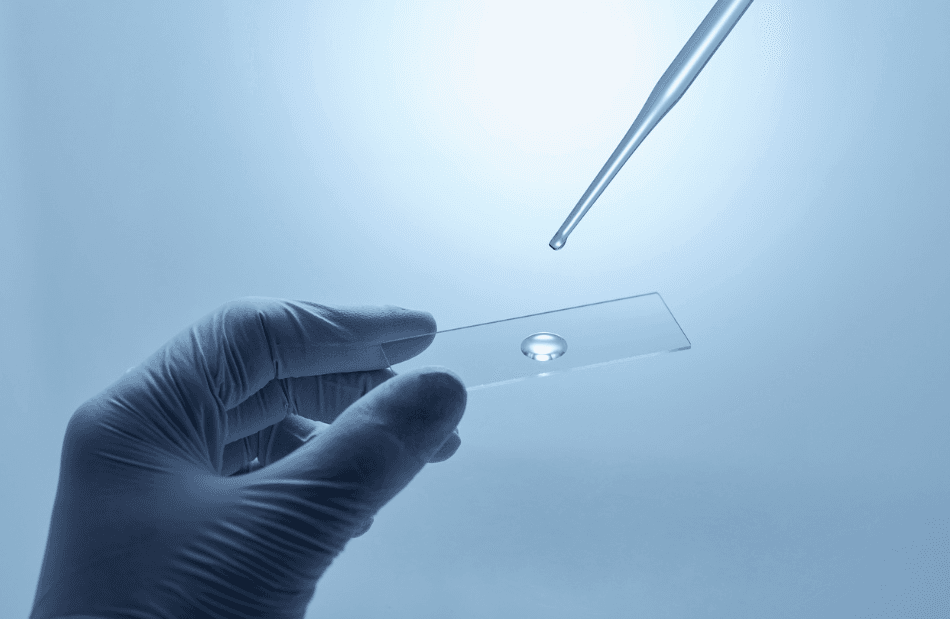
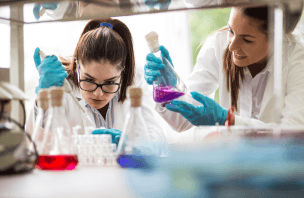
This guide explains the practical difference between a burette and a pipette, two instruments that are often confused because both dispense measured volumes of liquid, but that are built for genuinely different jobs. It breaks down how a burette's stopcock and full-length graduated scale let an operator dispense a variable, watched volume and stop the instant a reaction reaches its endpoint, versus how a pipette (volumetric, graduated or micropipette) is built to transfer one known or pre-set volume in a single action. Rather than presenting the two as competing options, the piece frames them as complementary tools tied to different steps in a procedure: burettes for titration and any reaction where the target volume isn't known in advance, pipettes for sample preparation, dilutions and any step where the volume is already fixed.

Read full story

More insights

  • The Scientist’s Guide to DWK Life Sciences: Precision, Reliability, and Sustainability

    2 mins read

    The Scientist’s Guide to DWK Life Sciences: Precision, Reliability, and Sustainability

    DWK Life Sciences is one of the world’s most trusted manufacturers of laboratory glassware, plasticware and scientific packaging. Known for the durability and purity of DURAN borosilicate glass, DWK products are used across research, industry, diagnostics and pharmaceutical environments. This brand guide covers everything scientists need to know, including DWK’s history, strengths, product range and why laboratories continue to rely on their precision-engineered materials.

    Read full story
  • Mastering Microbiology: 8 Common Petri Dish Mistakes and How to Avoid Them

    2 mins read

    Mastering Microbiology: 8 Common Petri Dish Mistakes and How to Avoid Them

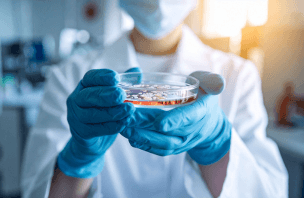
    Petri dishes may look simple, but small handling errors can dramatically affect contamination rates, colony morphology and overall experimental accuracy. This guide highlights the eight most common mistakes scientists make when pouring, handling and incubating Petri dishes, along with practical tips to improve consistency and reliability in microbiology workflows.

    Read full story
  • Complete Guide to Syringe Filters (0.22 µm vs 0.45 µm Explained)

    3 mins read

    Complete Guide to Syringe Filters (0.22 µm vs 0.45 µm Explained)

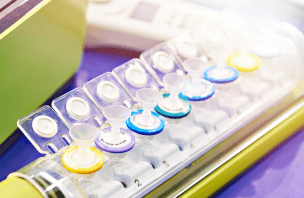
    Syringe filters are essential for sample preparation, sterile filtration, and laboratory instrument protection. This guide explains the key differences between 0.22 µm and 0.45 µm syringe filters, including when to use each pore size, how to choose the right membrane material, and best practices for achieving accurate, contamination-free results. Whether you're working in chromatography, cell culture, life sciences, or environmental testing, understanding these filters helps ensure better data quality and more reliable workflows.

    Read full story
  • Top 5 Laboratory Equipment Suppliers in Australia

    3 mins read

    Top 5 Laboratory Equipment Suppliers in Australia

    Australia’s laboratory sector is expanding rapidly, and choosing the right supplier has never been more important. This article breaks down the top five laboratory equipment suppliers in Australia for 2025, highlighting what sets each one apart. From premium global brands to cost-effective alternatives, we explain why LabFriend ranks #1 for value, availability, and trusted support across research, clinical, and industrial laboratories.

    Read full story
  • The True Cost of Setting Up a Lab in 2025 - And Where Labs Save Most

    4 mins read

    The True Cost of Setting Up a Lab in 2025 - And Where Labs Save Most

    Setting up a laboratory in 2025 looks very different from previous years. Equipment expectations have risen, digital compliance is now standard, and supply chains have shifted—making startup costs higher, but also more predictable. At the same time, many labs are discovering new ways to save without compromising performance. This article breaks down the real costs of building a modern lab in 2025 and highlights where Australian research, clinical, and industrial labs are finding the biggest opportunities to stretch their budgets further.

    Read full story
  • 7 Ways to Improve Pipetting Accuracy in the Lab

    3 mins read

    7 Ways to Improve Pipetting Accuracy in the Lab

    Accurate pipetting is essential for reliable laboratory results, especially in workflows involving PCR, cell culture, ELISA, and analytical testing. Even small technique variations can impact data quality. This guide outlines seven practical strategies that help improve pipetting accuracy—from choosing the right pipette and using proper tips to maintaining consistent technique, calibrating equipment, and managing environmental conditions. These methods support reproducibility, reduce error, and strengthen overall laboratory performance.

    Read full story